Introduction
In today's hectic globe, emergencies can emerge at any moment. Knowing exactly how to execute Cardiopulmonary Resuscitation (CPR) can imply the difference between life and death. With heart disease being one of the leading causes of fatality worldwide, understanding CPR fundamentals is much more crucial than ever. This short article will certainly explore why every adult must enlist in a CPR program, covering whatever from standard techniques to advanced first aid strategies.
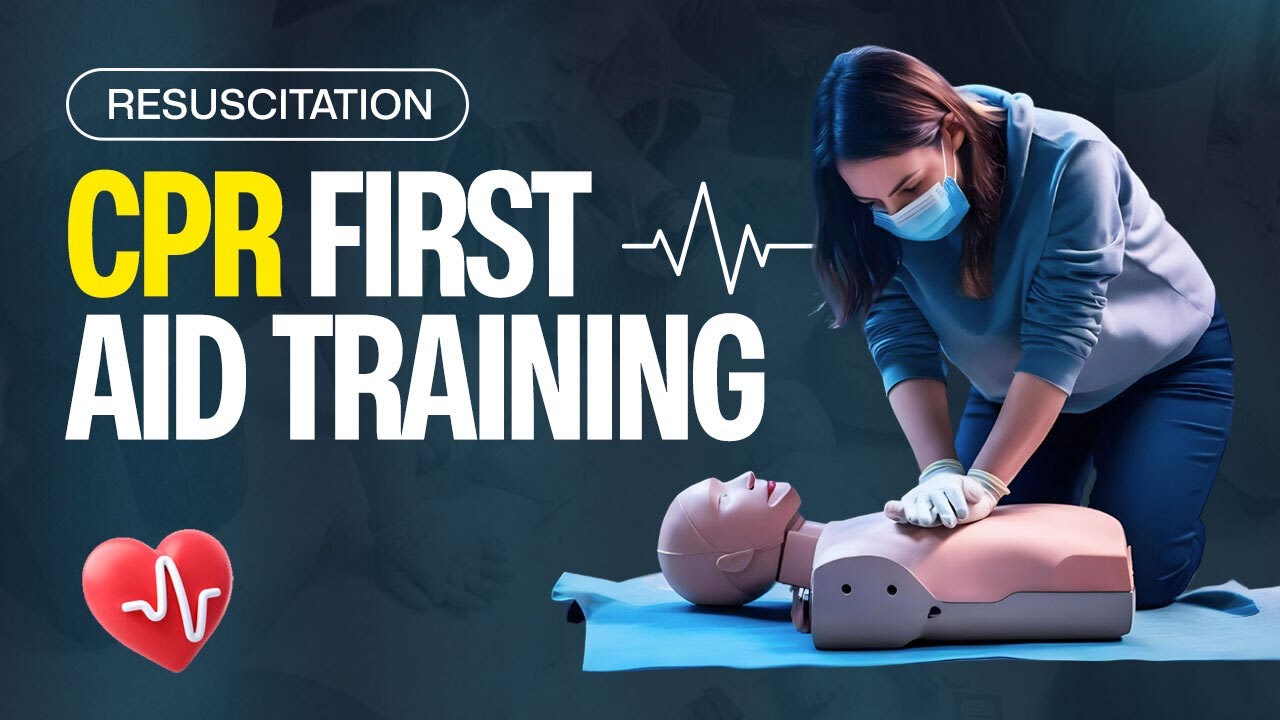
CPR Essentials: Why Every Grownup Ought To Enroll in a CPR Course
Understanding CPR and Its Importance
Cardiopulmonary Resuscitation (CPR) is an important lifesaving strategy used when a person's heart beat or breathing has quit.
What Does CPR Stand For?
CPR represents Cardiopulmonary Resuscitation. It incorporates chest compressions and rescue breaths to preserve blood flow and oxygenation throughout cardiac arrest.
Why Is CPR Essential?
- Saves Lives: Quick activity can increase or three-way chances of survival. Reduces Mental retardation: The brain can only endure a couple of minutes without oxygen. Empowers Bystanders: Any person can be trained to do CPR effectively.
The Duty of First Aid Courses in Comprehensive Training
While CPR is vital, it's just one element of emergency situation response.
What Is Included in a First Aid Course?
Basic Life Assistance (BLS) Manual Handling Techniques Management of Typical Injuries Mental Health and wellness First AidFirst Help Certification: What You Need to Know
A first aid certification demonstrates that a person has actually efficiently completed training in vital first aid methods, consisting of CPR.
Key Components of Effective CPR Training
Understanding DRSABCD: A Step-by-Step Approach
DRSABCD is an acronym that describes the steps to take throughout an emergency:
D - Risk: Evaluate for threat to yourself and the victim. R - Response: Check if the person is responsive by trembling them gently. S - Send for Aid: Call emergency situation solutions or ask another person to do so. A - Respiratory tract: Make sure the air passage is clear. B - Breathing: Check for typical breathing-- if not, commence CPR. C - Compressions: Start chest compressions at a rate of 100-120 per minute. D - Defibrillation: Utilize an Automated External Defibrillator (AED) if available.Basic Life Assistance Techniques
BLS includes both grown-up and pediatric resuscitation techniques.
Adult BLS Protocols
- Chest Compressions: At the very least 2 inches deep and at a rate of 100-120 compressions per minute. Rescue Breaths: A ratio of 30 compressions to 2 breaths.
Pediatric BLS Adjustments
For kids under 8 years:
- Use one hand as opposed to two for compressions if necessary. Place less force on compressions (about 1 1/2 inches deep).
Mental Health First Aid: A Growing Necessity
In enhancement to physical health emergency situations, psychological health and wellness dilemmas are increasingly common.
What Is Mental Wellness First Aid?
Mental health first aid educates people how to assist somebody experiencing mental distress or crises until expert assistance arrives.
Benefits of Mental Wellness First Aid Training
Reduces stigma related to psychological illness. Provides useful approaches for support. Promotes early intervention that could conserve lives.Finding the Right CPR Course Near You
Where Can You Locate High Quality First Aid Courses?
Searching online making use of terms like "first aid program near me" or "CPR course near me" can lead you to neighborhood training providers.
Accredited Organizations Offering Training
Reputable organizations such as St John Rescue, Red Cross, and different neighborhood universities use approved training courses recognized throughout Australia.
Choosing In between Online and In-Person Training
Pros and Cons of Online First Aid Courses
Pros:
- Flexibility in scheduling Often a lot more affordable
Cons:
- Limited hands-on practice Potential lack of engagement
Benefits of In-Person Training
In-person training allows participants to practice abilities under specialist guidance, making certain much better retention and self-confidence in performing CPR correctly.
Training Qualifications: Comprehending Duration and Renewals
How Long Does a First Aid Certificate Last?
Typically, first aid certifications have a validity duration ranging from three years, after which correspondence course are recommended.
Renewal Alternatives Available
Refresher programs offer possibilities to stay upgraded on finest techniques while strengthening formerly discovered skills.
FAQs Concerning CPR Training
What kinds of first aid programs are available?
There are lots of kinds including BLS, advanced first aid courses, manual handling training, and mental health first aid courses.

How frequently must I renew my CPR certification?
Most qualifications last regarding three years; however, it's suggested to take refreshers every year.

Can I discover CPR online?
Yes! Numerous credible companies offer on the internet training courses; nevertheless, ensure they consist of functional assessments for ability reinforcement.
What needs to I look for in a first aid course?
Look for accreditation, experienced instructors, comprehensive material covering both physical and psychological health aspects.
Are there particular training courses for infants?
Yes! Infant first aid programs concentrate on age-specific methods important for dealing with emergencies involving babies and toddlers.
Visit this websiteli31/ol4/hr8hr8/hr9hr9/##
Engaging with this product doesn't simply improve your personal capability-- it promotes area durability where each trained individual enters into a bigger network ready to assist in times of need!